Hormone therapy · Hormone balance
Hormone pellet therapy
Hormonal balance, with medical judgment.
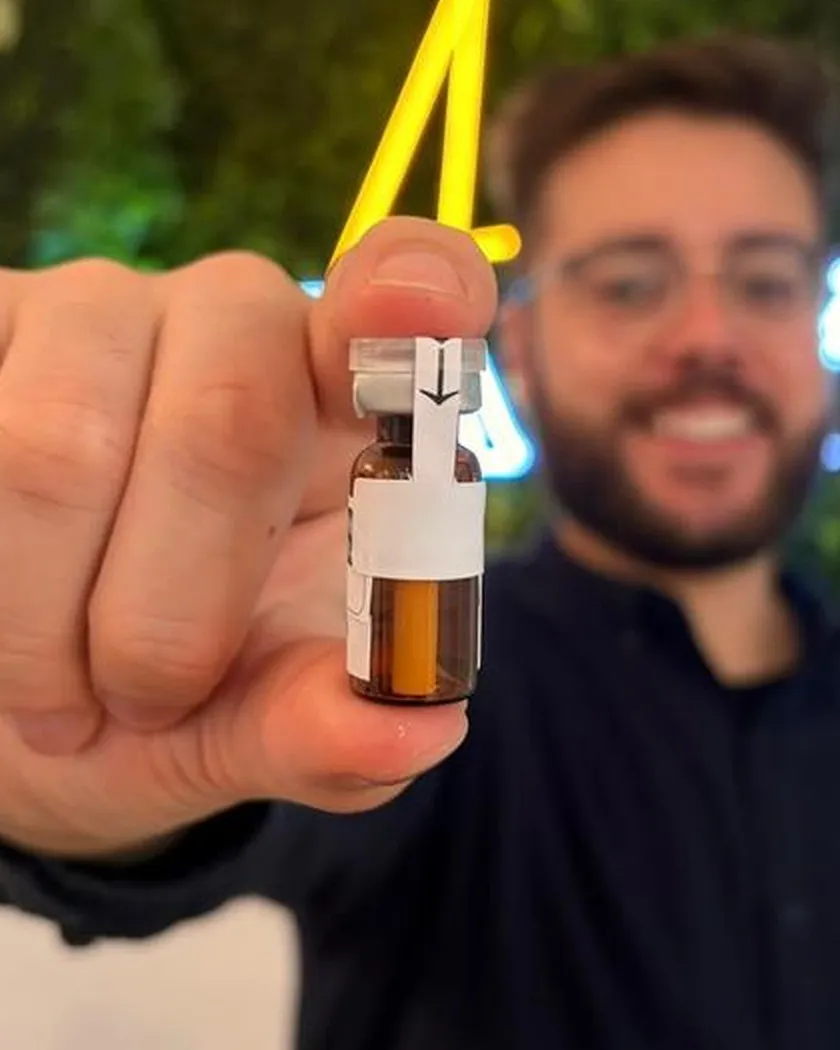
A hormone pellet is a small implant placed under the skin that releases hormones gradually over approximately 6 months. It may be considered in specific clinical situations, after an individual medical evaluation that takes into account symptoms, medical history, test results and therapeutic alternatives. At Vitafy we evaluate each case to determine whether hormone treatment is indicated and which option is most appropriate.
The starting point
When something changes and you don’t know what
Less energy, changes in libido, mood changes or symptoms related to menopause can have different causes. In some cases there is a hormonal component. A medical consultation makes it possible to investigate their origin, interpret the necessary tests and evaluate the treatment options.
What we aim for
To identify whether there is a hormonal condition that requires treatment and, where appropriate, define a personalized strategy, with clear goals and medical follow-up.
Hormone pellet therapy
An outpatient procedure
Placing the hormone pellet takes approximately 20 minutes. It is done under local anesthesia to minimize discomfort and consists of inserting a small pellet under the skin.
After the procedure, you can generally continue with your everyday activities. We recommend avoiding intense exercise and significant physical effort for the first 72 hours, following the medical team’s instructions.
We work with pellets from Laboratorios VIP, made in Argentina. The pellet used at Vitafy has an expected duration of 6 months and requires medical follow-up.
Who it’s for
Is it right for you?
Important: the presence of symptoms or an isolated abnormal lab result does not necessarily mean that hormone pellet therapy is the appropriate treatment.
- People with symptoms that could be related to hormonal changes.
- Women seeking care for symptoms associated with the menopausal transition or postmenopause.
- Men with symptoms consistent with hormone deficiency that require evaluation.
- People who want to know the hormone treatment options available and whether any is indicated in their case.
Common reasons for consultation
- Tiredness and lack of energy
- Reduced libido
- Mood changes and lack of mental clarity
- Loss of muscle mass
- Symptoms of perimenopause and postmenopause
Safety
Safety and care
Before each treatment we review your medical history and your needs to determine whether it is a suitable option for you. As with any medical procedure, there are precautions and possible side effects that are important to know about.
As with any hormone treatment, effects related to the hormone used, the dose and the individual response may appear.
Discomfort, bruising or, less frequently, complications at the insertion site may also occur.
Risks and contraindications are evaluated before the procedure, and follow-up makes it possible to monitor the patient’s progress.
Before the treatment
Hormone treatment must be indicated according to the medical history, the hormones used and their possible risks.
Certain conditions, such as some hormone-dependent cancers, a history of thrombosis, liver disease, hematocrit abnormalities, pregnancy or breastfeeding, may contraindicate or change the choice of therapy.
An important characteristic of pellets is that, once placed, they do not allow the release of the hormone to be quickly modified or stopped.
The safety and efficacy of certain compounded pellet formulations are not established with the same level of evidence as the authorized hormonal alternatives.
Alternatives
Depending on your clinical situation, there may be other hormone treatment options, such as gels, patches, tablets or injections, as well as non-hormonal treatments.
The choice depends on each patient’s indication, medical history and preferences.
What to expect
Placing the pellet may cause discomfort or bruising in the area.
Depending on the hormone administered and the individual response, effects such as acne, increased hair growth, fluid retention, mood changes or other hormonal changes may appear.
Follow-up and duration
The hormone pellet used at Vitafy has an expected duration of 6 months, during which it releases hormones gradually.
During that period, the necessary medical check-ups are carried out to evaluate your progress and response to the treatment.
At the end of the 6 months, we evaluate whether a new application is appropriate.
Less common complications
Less frequently, placement may be complicated by an infection or the expulsion of the implant.
Benefits
Personalized
Dose defined according to your lab results.
Outpatient
About 20 minutes, under local anesthesia.
Virtual consultation
The first consultation can be online.
What the treatment involves
Step by step, with support throughout.
- 01
Medical consultation, in person or online.
- 02
Lab work to determine the indication and the dose.
- 03
Pellet insertion: about 20 minutes, under local anesthesia.
- 04
Medical follow-up.
Frequently asked questions
What people usually ask us.
Is hormone pellet therapy for both men and women?
Yes. The dose and composition are personalized according to sex, symptoms and lab results.
How is the hormone pellet inserted?
It is an outpatient procedure of about 20 minutes, under local anesthesia. The pellet is placed under the skin through a tiny incision.
How long does a hormone pellet last?
The hormone pellet used at Vitafy has an expected duration of 6 months. Individual response may vary, and the need for a new insertion is determined through a medical evaluation.
Can the first consultation be online?
Yes, the initial medical consultation can be in person or online.
Do I need lab tests beforehand?
Yes. Lab work is part of the process: it allows the therapy to be prescribed safely and the dose to be determined.
For general guidance only: this information does not replace a medical consultation. Whether a treatment is indicated, the number of sessions and the results depend on each patient’s assessment.
You may also be interested in
Your next step
Is Hormone pellet therapy right for you?
Tell us what you’d like to improve and we’ll guide you. If this isn’t the right treatment for you, we’ll tell you.